Home / Asbestos In Schools And Public Buildings
Schools, Hospitals & Public Buildings

Asbestos In Schools And Public Buildings

Older schools, colleges, hospitals and public buildings can still contain asbestos-containing materials. The key is not panic — it is knowing where asbestos may be present, recording it clearly, managing it properly and checking information before maintenance, refurbishment or intrusive work begins.

  • Survey-only advice
  • P402 qualified surveyors
  • Clear reports
  • No removal upsell
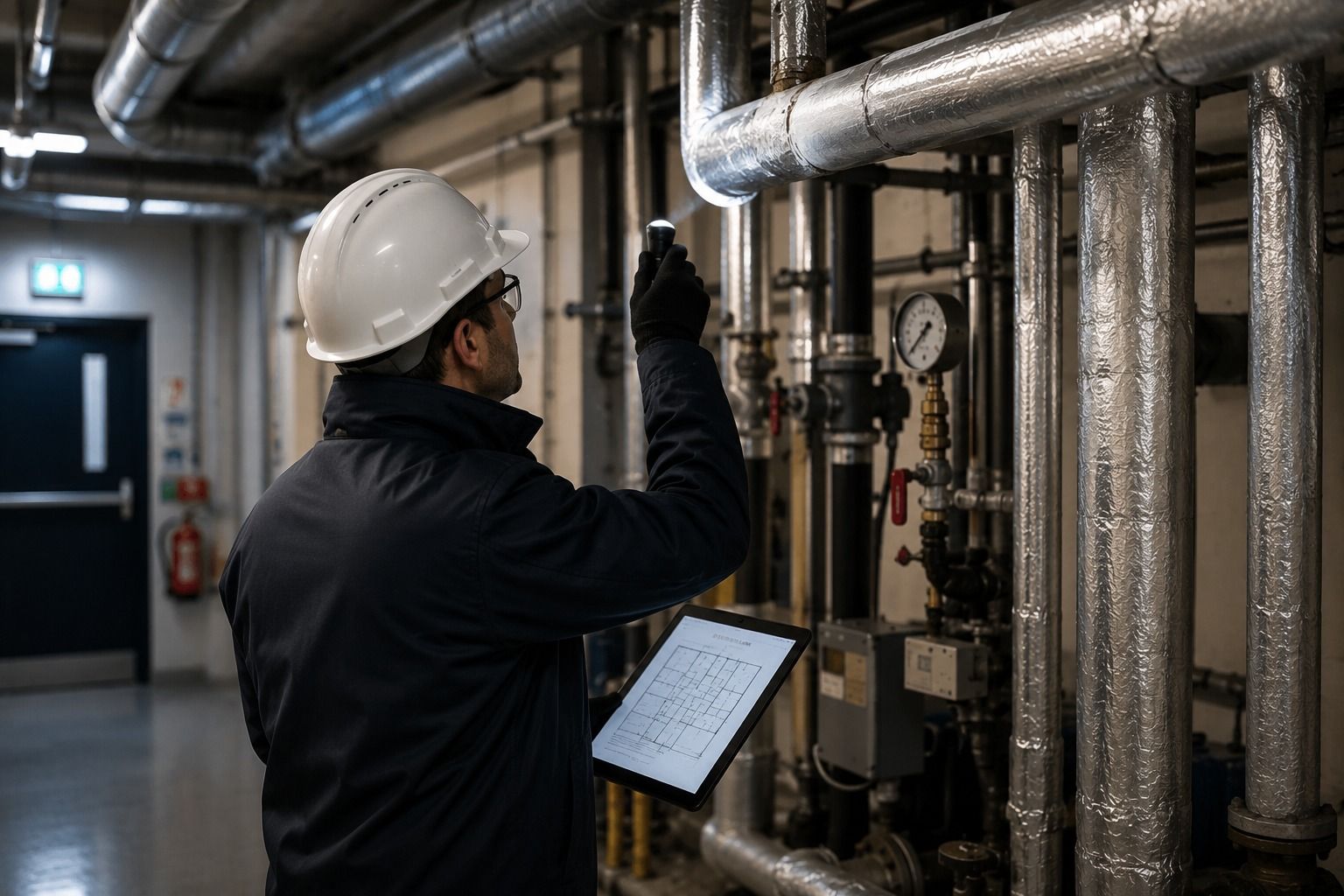
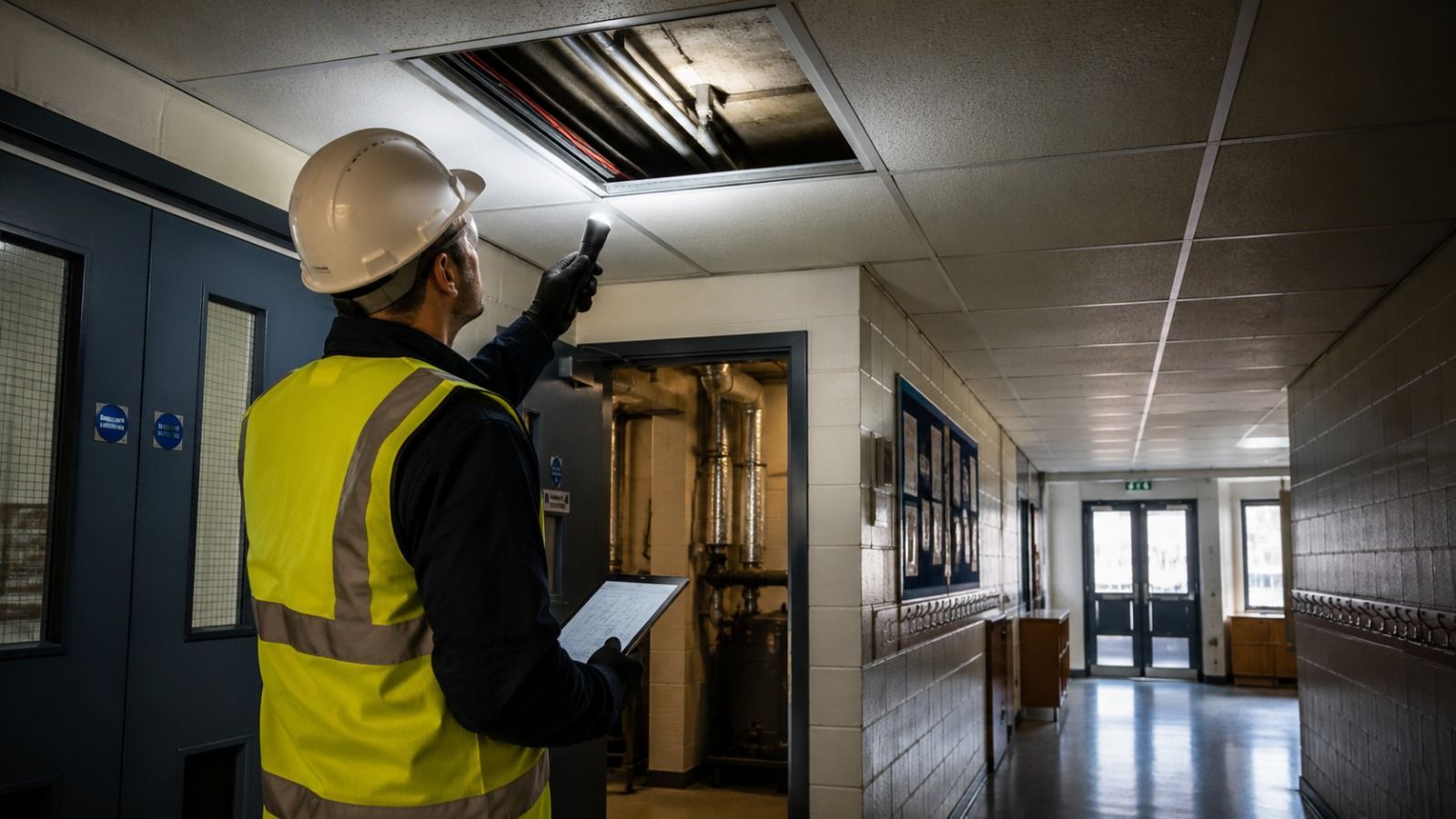
Asbestos survey inspection inside an older UK school or public building
Know Before Work Starts

A current asbestos survey, register and management plan help protect staff, pupils, contractors, visitors and the wider building programme.

Direct Answer

Can Asbestos Still Be Found In Schools, Hospitals And Public Buildings?

Yes. Asbestos can still be present in older schools, colleges, hospitals, council buildings, public buildings and managed estates. It may be found in building fabric, service areas, ducts, risers, ceiling voids, pipe insulation, floor tiles, panels, textured coatings and other materials.

The main issue is whether those materials are known, recorded, assessed and managed. If asbestos information is missing, outdated or does not cover the area where work is planned, a suitable asbestos survey or targeted inspection may be needed before contractors disturb the building.

247 Asbestos Services provides independent asbestos surveys, sampling, testing, reports, registers and management plan support. The company is survey-only and does not use inspections as a route to sell asbestos removal.

Older Buildings

Many public-sector estates include buildings, extensions and service areas from periods when asbestos-containing materials were widely used.

Hidden Areas

Asbestos risk is often linked to hidden or less visible areas such as ducts, risers, voids, plant rooms and service routes.

Contractor Risk

Maintenance, refurbishment, RAAC-related works and intrusive access can all increase the importance of having current asbestos information.

Why It Matters

Why Asbestos Can Still Be Present In Public Buildings

Public buildings are often altered, extended and maintained over many decades. Even where parts of a building have been refurbished, older materials may remain in ceilings, floors, ducts, risers, service areas and plant rooms.

Mixed Age Building Stock

Schools, hospitals and council buildings often include original structures, later extensions, temporary buildings and service blocks. Each part may have a different asbestos risk profile.

  • Older classrooms and corridors
  • Plant rooms and boiler areas
  • Service tunnels and risers

Hidden Building Materials

Asbestos-containing materials are not always visible during normal use. They may be hidden above ceilings, behind panels, within service routes or beneath floor finishes.

  • Ceiling voids and ductwork
  • Pipe insulation and boxing
  • Floor tiles and adhesives

Work Can Disturb Materials

Routine maintenance, repairs, refurbishment projects and investigative works can disturb areas that are normally untouched. That is when clear asbestos information becomes critical.

  • Drilling and fixing work
  • Ceiling or wall access
  • Refurbishment and demolition
Education Buildings

Asbestos In Schools, Colleges And Education Buildings

Asbestos management in education buildings is especially sensitive because schools and colleges must protect staff, pupils, students, visitors and contractors while keeping buildings operational.

The responsible body may vary depending on the type of school or college. It could involve school leaders, governors, academy trusts, local authorities, building owners or other organisations responsible for repair and maintenance.

Good asbestos management relies on current information. If a survey is old, incomplete or does not cover the part of the building where work is planned, further inspection or a refurbishment and demolition survey may be required before intrusive work starts.

Asbestos surveyor inspecting a plant room service area in an education building
Hospitals & Estates

Hospitals, Public Buildings And Managed Estates

Hospitals, healthcare buildings, council buildings and managed public estates often contain complex service routes, plant areas and phased extensions. This can make asbestos information harder to manage unless records are clear, current and easy for contractors to access.

Healthcare Buildings

Hospitals and healthcare buildings can include service tunnels, plant rooms, ducts, older wards, support buildings and maintenance areas where asbestos information must be understood before work is planned.

Council Buildings

Public buildings may have changed use over time. Offices, depots, community buildings, libraries and older public facilities can all require clear asbestos records before repairs or upgrades.

Managed Estates

Estates teams and facilities managers need practical asbestos information that can be used when instructing contractors, planning works and deciding whether further survey work is needed.

RAAC & Refurbishment

RAAC, Refurbishment And Hidden Building Risks

RAAC and asbestos are different building risks. RAAC relates to a form of lightweight concrete, while asbestos relates to asbestos-containing materials that may release fibres if disturbed.

However, RAAC investigations, repairs, temporary works and wider refurbishment programmes can involve access into older parts of a building. Where ceilings, walls, service voids, roof spaces or structural areas are opened up, asbestos information should be checked first.

If the existing asbestos register does not cover the area or the work will be intrusive, the next step may be a targeted inspection or a refurbishment and demolition survey before contractors proceed.

Before Intrusive Work

The key question is not simply whether a building has asbestos somewhere on site. The question is whether the specific area being opened, repaired, drilled, stripped out or refurbished has been properly checked.

  • Check the asbestos register
  • Confirm whether the area was inspected
  • Review the planned work method
  • Arrange further survey work if needed
  • Share asbestos information with contractors
Dutyholders

Dutyholder Responsibilities In Public Buildings

In many non-domestic premises, the duty to manage asbestos sits with the person or organisation responsible for maintenance and repair. In practice, this may include building owners, landlords, employers, estates teams, local authorities, academy trusts, managing agents or other responsible bodies.

Know What Is Present

Dutyholders need suitable information about whether asbestos-containing materials are present or presumed to be present. Where information is missing or inadequate, further survey work may be needed.

  • Check existing survey reports
  • Review plans and historic records
  • Identify areas not inspected
  • Presume asbestos where evidence is not strong enough

Manage The Risk

Asbestos management is not only about having a report. Information should be turned into a practical register and management plan, then made available to people who may disturb materials.

  • Keep the asbestos register updated
  • Assess condition and disturbance risk
  • Review the management plan
  • Brief contractors before work starts
Asbestos register and management plan being reviewed for a public building
Surveys & Registers

Surveys, Registers And Management Plans

A management survey is generally used to locate and assess asbestos-containing materials during normal occupation and routine maintenance. Where refurbishment, demolition or intrusive work is planned, a refurbishment and demolition survey may be needed for the specific area affected by the works.

The survey findings should feed into an asbestos register. The register records known or presumed asbestos-containing materials, their location, condition and risk information. A management plan then sets out how the risk will be managed, monitored and communicated.

For public buildings and managed estates, the most useful reports are clear, practical and easy to act on. They should help dutyholders decide what needs to happen next and what information contractors need before work starts.

Before Work Starts

What To Do Before Maintenance Or Refurbishment

Before any contractor opens up, drills, strips out, removes ceilings, accesses service voids or carries out intrusive maintenance, the asbestos position should be checked. These steps help avoid delays, unsafe disturbance and confusion on site.

Review Records

Check the asbestos register, previous survey reports, site plans and any records of removal or remedial work.

Check The Area

Confirm whether the specific room, ceiling void, duct, service route or work area has actually been inspected.

Match The Survey

Decide whether existing information is enough or whether a management survey, targeted inspection or R&D survey is needed.

Brief Contractors

Make sure contractors receive relevant asbestos information before they start work on the building fabric.

FAQ

Asbestos In Schools And Public Buildings FAQs

Common questions about asbestos in older education buildings, hospitals, public buildings and managed estates.

Is asbestos still found in schools and public buildings?

Yes. Many older schools, colleges, hospitals and public buildings may still contain asbestos-containing materials, especially in older building fabric, service areas, ceiling voids, pipe insulation, floor tiles and panels.

Does asbestos need to be removed from a school or public building?

Not always. If asbestos-containing materials are in good condition and unlikely to be disturbed, they may be managed in place. The correct action depends on the material, condition, location and likelihood of disturbance.

Who is responsible for asbestos management in schools?

Responsibility depends on the ownership and management structure. School leaders, governing bodies, academy trusts, local authorities or other responsible bodies may all have roles in ensuring asbestos is properly managed.

What is an asbestos register?

An asbestos register records known or presumed asbestos-containing materials, including their location, condition and survey information. It should be kept up to date and made available to those who may disturb asbestos.

When is an asbestos survey needed?

An asbestos survey may be needed when asbestos information is missing, outdated or does not cover the area being worked on. Refurbishment, demolition or intrusive maintenance may require a refurbishment and demolition survey.

Is RAAC the same as asbestos?

No. RAAC and asbestos are different building risks. However, RAAC investigations or repair works can involve intrusive access into older buildings, so asbestos information should be checked before suspect materials are disturbed.

Does 247 Asbestos Services remove asbestos?

No. 247 Asbestos Services is survey-only and independent. The company provides asbestos surveys, testing, sampling, reports, registers and management plan support, but does not carry out asbestos removal.

Official Guidance

Useful Official Guidance

These official resources are useful for dutyholders, school leaders, governors, estate teams, managing agents and contractors reviewing asbestos management arrangements.

HSE Duty To Manage

HSE guidance on the legal duty to manage asbestos in buildings, including registers, management plans and information for workers.

View HSE Guidance →

Schools Guidance

GOV.UK guidance for school leaders, governors, local authorities and academy trusts about managing asbestos in schools and colleges.

View GOV.UK Guidance →

HSG264 Survey Guide

HSE survey guidance covering asbestos surveys and the information needed to assess asbestos-containing materials.

View HSG264 →

Need Asbestos Advice For A School Or Public Building?

Send us the building type, location and planned works. We’ll help confirm whether you need a management survey, refurbishment and demolition survey, asbestos testing, an updated register or management plan support.

Request Survey Advice Call 0330 097 3369