Practical Asbestos Survey Guide

Before You Touch It: Asbestos Survey Guide

A clear decision guide for anyone planning renovation work, managing property, buying an older building or dealing with a suspect material. Understand whether you need an asbestos survey, asbestos sampling, laboratory testing or a clear asbestos report before work starts.

Updated: 2026/27   /   Read: 8–10 mins
★★★★★ 4.8/5 stars from happy clients
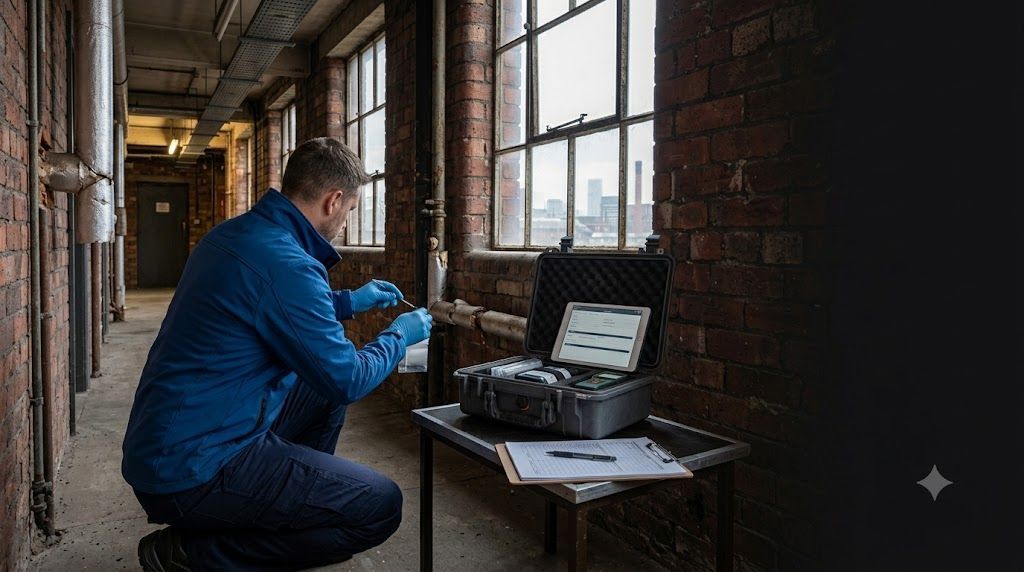
Qualified asbestos surveyor reviewing paperwork and sample records for an asbestos survey guide
Independent asbestos survey guidance before refurbishment, demolition, property management or material disturbance.
Direct Answer

What Is An Asbestos Survey?

Quick Definition

An asbestos survey is a structured inspection used to identify suspected asbestos-containing materials in a property before they are managed, disturbed, refurbished or demolished.

It can include visual inspection, material assessment, asbestos sampling, UKAS-accredited laboratory testing and a clear written asbestos report with findings and next steps.

Step 01

Identify Suspect Materials

The survey records materials that may contain asbestos, where they are located and whether they may be disturbed.

Step 02

Test Samples Where Needed

If a material needs confirmation, a sample can be taken safely and analysed through a UKAS-accredited laboratory.

Step 03

Issue A Clear Report

The report explains what was found, sample results where applicable, material condition, risk notes and practical recommendations.

Common Mistakes

Myth Vs Reality: What People Get Wrong About Asbestos

Most asbestos problems start with a wrong assumption: “it is probably fine”, “it must be removed”, or “one sample will answer everything”. Here is the clearer version before you drill, scrape, strip out or make a property decision.

Misconception 01

A Basic Mask Makes It Safe

Myth

An ordinary DIY mask means you can safely drill, sand, scrape or break a suspect material.

Reality

Do not rely on guesswork or basic PPE. If a material may contain asbestos, avoid disturbing it until you have clear advice.

Misconception 02

Finding Asbestos Means Removal

Myth

If asbestos is found, the only sensible next step is to remove it immediately.

Reality

Not always. The right next step depends on the material, condition, location and likelihood of disturbance.

Misconception 03

One Sample Covers The Building

Myth

Testing one material tells you whether the whole property is asbestos-free.

Reality

Asbestos testing and sampling can confirm one material, but a wider survey is needed when property risk or planned works are being assessed.

Misconception 04

Newer Buildings Are Always Clear

Myth

If the building is newer, there is never any reason to consider asbestos checks.

Reality

Newer buildings are generally lower risk, but older plant, reused materials, linked structures or unclear records can still make professional advice sensible.

Misconception 05

Surveyors Just Sell Removal

Myth

An asbestos survey is just the first step in being sold removal work.

Reality

247 Asbestos Services is survey-only. We are not an asbestos removal company, so the advice is independent and evidence-led.

Survey Selector

Choose The Right Asbestos Survey Type

The right asbestos service depends on why you need the information. Are you managing an occupied building, planning intrusive work, checking one material, or creating records for contractors, landlords or dutyholders?

Type 01

Management Asbestos Survey

A management survey is used for normal occupation and ongoing property management. It helps locate and record asbestos-containing materials that could be disturbed during everyday use, maintenance or minor works.

Best For Commercial buildings, dutyholder records, asbestos registers and ongoing management.
View Management Surveys
Type 02

Refurbishment And Demolition Survey

A refurbishment and demolition survey is used before intrusive works, strip-outs, refurbishment or demolition. It is designed to identify asbestos before materials are disturbed by the planned work.

Best For Renovation, demolition, structural changes, commercial fit-outs and contractor planning.
View R&D Surveys
Type 03

Asbestos Testing And Sampling

Testing and sampling is used when a specific suspect material needs to be confirmed. A sample is taken and analysed through a UKAS-accredited laboratory.

Best For One suspect material, quick confirmation, property decisions and targeted testing.
View Testing And Sampling
Type 04

Asbestos Reports And Plans

Asbestos reports explain survey findings, sample results, material condition, locations, risk notes and recommendations. They can also support asbestos registers and management plans.

Best For Dutyholder evidence, contractor records, landlord files and management planning.
View Reports And Plans
If You Are Disturbing Materials

Start with the R&D survey route. Refurbishment, strip-out and demolition work need clearer investigation before the work begins.

If The Building Is Occupied

Start with the management survey route. This supports normal occupation, records, maintenance and dutyholder responsibilities.

If It Is One Material

Sampling may be enough. If only one suspect material needs checking, targeted asbestos testing can confirm what it is.

Decision Tool

Do You Need A Full Survey Or Just A Sample?

A full asbestos survey and targeted asbestos sampling are not the same thing. The right choice depends on the property, the material, the work planned and whether you need a wider written record.

Targeted Route

Sampling May Be Enough

Sampling can be the right route when there is one specific material to confirm and you are not trying to assess the wider property.

  • You have one suspect material to check.
  • The material can be accessed safely.
  • You are not planning wider intrusive works.
  • You need confirmation before deciding what to do next.
Wider Property Route

A Full Survey May Be Needed

A survey is usually needed where the risk is broader than one material, or where records are required before work, occupation or contractor involvement.

  • You are refurbishing, stripping out or demolishing.
  • You manage a commercial or landlord property.
  • There may be multiple suspect materials.
  • You need a formal asbestos report or register.
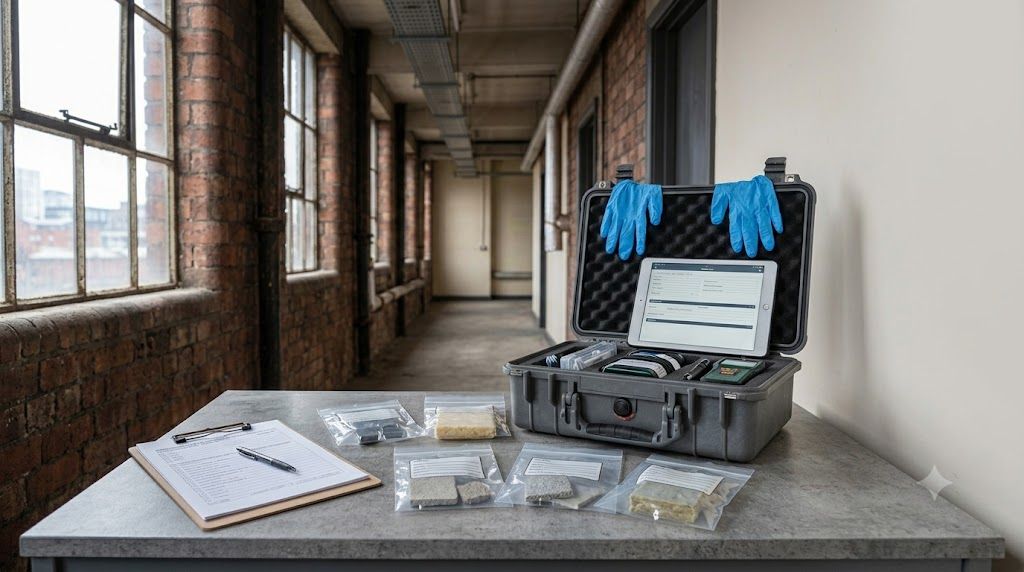
Asbestos survey paperwork and sealed sample bags used to decide between a full survey and targeted sampling
Survey Evidence / Sampling Route

Professional survey records, controlled sampling and clear reporting help remove guesswork before materials are disturbed.

Independent Advice: 247 Asbestos Services is survey-only, not a removal company, so the recommendation is based on the evidence needed — not a removal upsell.

Visual Guide

Hidden In Plain Sight: Where Asbestos Can Be Found

Asbestos-containing materials are often built into ordinary parts of a property. They may be hidden behind finishes, above ceilings, under floors, around services or inside older building fabric. You cannot reliably confirm asbestos by appearance alone.

Property Scan

It Is Often The Ordinary-Looking Materials That Need Checking

A surveyor is not just looking for obvious damage. The inspection considers building age, material type, location, condition, access and whether future works could disturb suspect materials.

Ceilings / Voids Tiles, boards, textured coatings, firebreaks and hidden service areas.
Walls / Panels Partition boards, window panels, risers, ducts and older fire protection.
Floors / Adhesives Vinyl tiles, bitumen adhesive, sheet flooring and materials under coverings.
Plant / Services Pipe lagging, gaskets, boiler areas, ducts and older service routes.
Material 01

Textured Coatings

Older ceiling or wall coatings can be painted over and may look like normal decorative finishes.

Material 02

Floor Tiles And Adhesives

Old floor tiles, backing layers and bitumen-style adhesives can be hidden beneath carpets or new flooring.

Material 03

Asbestos Insulating Board

AIB can appear in panels, soffits, ceiling tiles, risers, ducts, bulkheads and fire protection areas.

Material 04

Pipe Lagging And Plant Rooms

Older pipework, boilers, calorifiers, ducts, seals and gaskets can require careful inspection before disturbance.

Material 05

Garages And Outbuildings

Older roofs, cement sheets, wall cladding, flues, gutters and soffit areas are common places to check.

Material 06

Service Risers And Ducts

Commercial buildings often have hidden service zones where boards, packing, insulation or old fire protection may be present.

Asbestos Types

Different Types Of Asbestos You May Hear About

People often talk about “white asbestos”, “brown asbestos” or “blue asbestos”, but most property decisions are not made from names alone. The key question is whether a material contains asbestos, where it is, what condition it is in, and whether planned work could disturb it.

Fibre Names

The Common Names Are Only Part Of The Picture

The asbestos type can only be confirmed properly through analysis. A material may look ordinary from the outside, especially if it has been painted, covered, boxed in or built into the fabric of the property.

For most homeowners, landlords and dutyholders, the practical route is not to identify the fibre by sight. The practical route is inspection, sampling where needed, laboratory testing and a clear written report.

01

Chrysotile — Often Called White Asbestos

One of the most widely known asbestos names and often mentioned in relation to older building products.

02

Amosite — Often Called Brown Asbestos

Often associated with higher-risk building materials such as insulating board and thermal insulation products.

03

Crocidolite — Often Called Blue Asbestos

A more hazardous asbestos type commonly discussed in older industrial and insulation contexts.

Do not identify asbestos by colour alone. The names white, brown and blue can be misleading on site because asbestos is usually mixed into products, painted over or hidden inside materials.

Material Group 01

Asbestos Insulating Board

AIB may be found in ceiling tiles, partition panels, risers, soffits, ducts, fire protection areas and service voids.

Material Group 02

Asbestos Cement Products

Common examples include older garage roofs, wall cladding, roof sheets, flues, downpipes, gutters and soffits.

Material Group 03

Textured Coatings

Older coatings on ceilings or walls can be painted over and may not look unusual until works are planned.

Material Group 04

Floor Tiles And Bitumen

Older tiles, backing layers and adhesive residues can be hidden beneath carpets, vinyl or modern floor finishes.

Material Group 05

Pipe Lagging And Insulation

Older pipework, boilers, calorifiers, ducts and service areas may contain insulation materials that need careful assessment.

Material Group 06

Gaskets, Packing And Textiles

Some older seals, packing materials, fire blankets, textiles and plant-room components may need specialist assessment.

Survey Process

What Happens During An Asbestos Survey?

An asbestos survey is not just a quick look around a building. It follows a structured process to understand the property, inspect suspect materials, take samples where needed and produce a clear written report.

Step 01

Brief And Property Context

The survey starts with the reason for the inspection: occupation, maintenance, refurbishment, demolition, purchase, landlord records or a specific suspect material.

Step 02

On-Site Inspection

The surveyor inspects accessible areas, records suspect materials, checks condition, notes locations and considers whether materials may be disturbed by planned works.

Step 03

Sampling Where Required

Where confirmation is needed, small controlled samples can be taken and sent for UKAS-accredited laboratory analysis.

Step 04

Report And Next Steps

The final asbestos report sets out findings, sample results where applicable, material condition, risk notes and practical recommendations.

What The Surveyor Records

The Value Is In The Evidence

A good asbestos survey gives you more than a yes or no answer. It provides a usable record that helps homeowners, landlords, commercial property owners, facilities managers and contractors make safer decisions.

  • Property areas inspected and any access limitations.
  • Suspect materials, locations and condition notes.
  • Sample references and laboratory results where taken.
  • Photographic evidence and material assessment notes.
  • Recommendations for management, further investigation or contractor records.

Survey-Only Advice: 247 Asbestos Services is not an asbestos removal company, so the report is focused on inspection evidence, testing results and practical next steps.

Survey Output

What Your Asbestos Report Gives You

The asbestos report is the document that turns inspection work into usable evidence. It should help you understand what was inspected, what was found, what was tested and what should happen next.

Output 01

Survey Scope

The report should make clear what type of survey was completed, why it was needed and which areas were included or excluded.

Output 02

Material Locations

Suspect or confirmed asbestos-containing materials should be recorded by location, material type, condition and access notes.

Output 03

Sample Results

Where samples are taken, the report should include clear references to laboratory results and explain what was confirmed.

Output 04

Recommendations

The report should explain whether materials can be managed, need further investigation or require specialist contractor involvement.

Typical Turnaround

Reports are typically issued within 24–48 hours once site inspection and any required laboratory analysis are complete.

Property Scenarios

What This Means For Homeowners, Landlords And Commercial Property Owners

Different property owners need asbestos surveys for different reasons. The right route depends on whether you are renovating, letting, maintaining, managing or preparing a building for contractor work.

Scenario 01

Homeowners

Homeowners usually need advice before renovation, buying an older property, checking a garage roof, or dealing with a suspect ceiling, floor tile or panel.

  • Renovation or DIY works
  • Garage and outbuilding checks
  • Suspect ceilings, boards or flooring
Asbestos Surveys For Homeowners
Scenario 02

Landlords

Landlords may need asbestos information for maintenance, tenant safety, pre-let checks, contractor access or property records.

  • Rental property maintenance
  • Tenant and contractor records
  • Pre-let or refurbishment checks
Asbestos Surveys For Landlords
Scenario 03

Commercial Property Owners

Commercial property owners often need asbestos surveys for records, building management, planned works, contractor evidence and dutyholder responsibilities.

  • Commercial building records
  • Contractor and maintenance planning
  • Management surveys and reports
Surveys For Commercial Property Owners
Scenario 04

Facilities Managers

Facilities managers need usable asbestos records that support maintenance, contractor control, site compliance and ongoing building management.

  • Asbestos registers
  • Maintenance and contractor evidence
  • Ongoing property management
Surveys For Facilities Managers
Simple Rule

The reason for the survey matters. A homeowner checking one material, a landlord planning maintenance and a facilities manager updating records may all need different levels of survey detail.

<
Next Steps

What Happens If Asbestos Is Found?

Finding asbestos does not always mean immediate removal. The next step depends on the material, its condition, where it is located and whether it is likely to be disturbed by normal use, maintenance or planned works.

Step 01

Do Not Disturb It

Avoid drilling, sanding, scraping, breaking or removing the material until the survey findings and recommendations are understood.

Step 02

Check The Report Findings

The asbestos report should explain what was found, where it was found, whether samples were taken and what the results show.

Step 03

Decide If It Can Be Managed

Some asbestos-containing materials can be managed in place when they are in good condition and unlikely to be disturbed.

Step 04

Use The Right Contractor If Needed

If removal, encapsulation or remedial work is required, the report helps inform the next contractor conversation.

Independent Advice

247 Asbestos Services is survey-only. We are not an asbestos removal company, so the advice is based on inspection evidence, testing results and practical next steps — not a removal upsell.

FAQs

Asbestos Survey Guide FAQs

Clear answers to the common questions people ask before booking an asbestos survey, asbestos sampling or asbestos report.

What Is An Asbestos Survey?

An asbestos survey is a structured inspection used to identify suspected asbestos-containing materials in a property. It can include visual inspection, material assessment, sampling, laboratory testing and a written asbestos report.

When Do I Need An Asbestos Survey?

You may need an asbestos survey before refurbishment, demolition, maintenance work, property management, contractor access or when a suspect material may be disturbed. The right survey depends on the property and the work planned.

What Is The Difference Between A Management Survey And An R&D Survey?

A management survey is used for normal occupation and ongoing property management. A refurbishment and demolition survey is more intrusive and is used before works that could disturb hidden materials.

Do I Need A Full Survey Or Just Asbestos Sampling?

Targeted asbestos testing and sampling may be enough if there is one specific material to check. A full survey is usually needed where there are multiple suspect materials, planned works, commercial records or dutyholder responsibilities.

Can Asbestos Be Identified By Looking At It?

No. You cannot reliably confirm asbestos by appearance alone. Many asbestos-containing materials look ordinary, especially if they have been painted, covered, boxed in or built into older property fabric.

Does Finding Asbestos Mean It Has To Be Removed?

Not always. The next step depends on the material, condition, location and likelihood of disturbance. Some asbestos-containing materials can be managed in place when they are in good condition and unlikely to be disturbed.

How Long Does An Asbestos Report Take?

Reports are typically issued within 24–48 hours once the site inspection and any required laboratory analysis are complete.

Are 247 Asbestos Services A Removal Company?

No. 247 Asbestos Services is survey-only. We provide independent asbestos surveys, asbestos testing and clear reports. We are not an asbestos removal company, so the advice is evidence-led rather than a removal upsell.

Do Post-2000 Buildings Need Asbestos Checks?

Buildings constructed after 2000 are generally lower risk, but unclear records, older plant, reused materials, linked older structures or intrusive works may still justify professional advice before materials are disturbed.

How Do I Know Which Asbestos Service I Need?

The easiest route is to explain the property type, what work is planned and whether you have found a specific suspect material. 247 can then advise whether you need a management survey, refurbishment and demolition survey, targeted sampling or a report update.

Still Unsure?

Before You Touch It, Check It. Tell 247 what property you have, what work is planned and whether anything may be disturbed.

Request A Survey

Need An Asbestos Survey Before Work Starts?

Tell 247 what property you have, what work is planned and whether you have found a suspect material. We can help you understand whether you need an asbestos survey, targeted sampling or a clear asbestos report before anything is disturbed.

Independent Survey-only advice with no removal upsell.
Qualified P402 qualified asbestos surveyors.
Reporting Clear reports, typically within 24–48 hours.
What To Tell Us

Useful Details Before You Call

A few simple details help point you towards the right survey route quickly.

  • Property type and location.
  • Whether it is a home, rental, commercial or managed building.
  • What work is planned, if any.
  • Whether a specific suspect material has been found.
  • How quickly you need the report or advice.
★★★★★ 4.8/5 stars from happy clients
External Guidance

Official Asbestos Guidance And Further Reading

This guide is written as practical survey guidance for property owners, landlords and dutyholders. For official asbestos safety guidance, refer to the Health and Safety Executive resources below.