
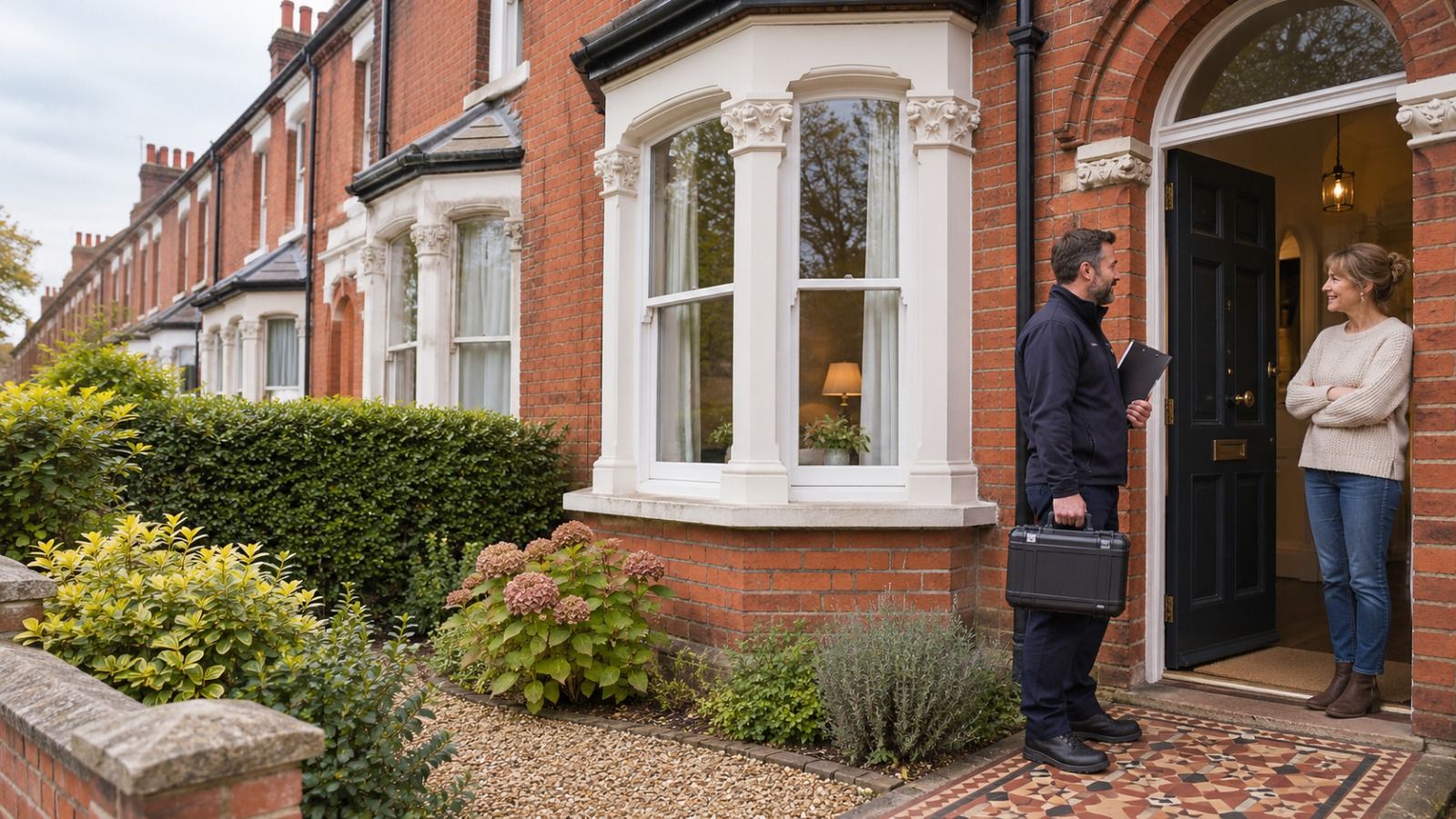
Can a Victorian house contain asbestos? Yes. The house may have been built before many familiar asbestos products became common, but it could have been altered many times since. A new ceiling, heating system, kitchen floor or garage roof fitted during the twentieth century may contain asbestos even when the original parts of the house do not.
The question is therefore less about when the house was built and more about what was added or changed later. The Health and Safety Executive (HSE) advises that asbestos may be present in homes built or refurbished before 2000. Read the HSE guidance on asbestos in homes.
Later alterations
Where might asbestos be found in a Victorian house?
A Victorian property may contain a mix of original materials and later additions. Areas worth checking include:
| Area | What may have been added later |
|---|---|
| Ceilings and walls | Textured coatings, including some older Artex finishes, or asbestos insulating board panels |
| Kitchens and hallways | Vinyl floor tiles, backing materials or adhesives |
| Heating and pipework | Insulation around older boilers and pipes |
| Bathrooms and cupboards | Panels, water tanks or insulation board |
| Rooflines and outbuildings | Asbestos cement roofing, soffits, gutters or garage roofs |
These are possible locations, not a way to identify asbestos by sight. Materials that contain asbestos can look much like those that do not. A suitable sample must be analysed to confirm whether a suspect material contains asbestos. HSE survey guidance.
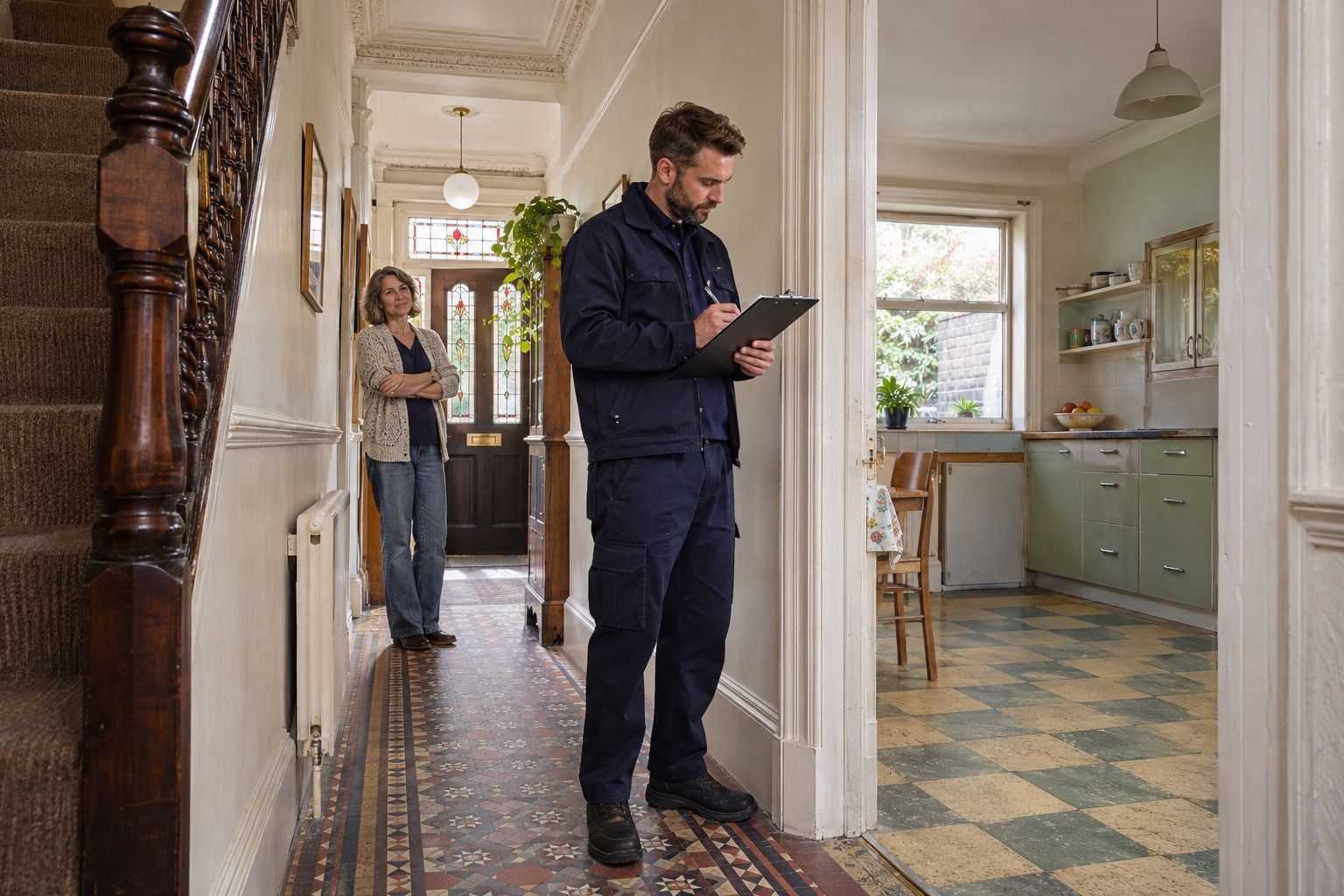
Before work begins
Does every Victorian house need an asbestos survey?
A Victorian house does not automatically need every material removed or an intrusive survey simply because it is old. The next step depends on what you are concerned about and what you plan to do.
If a suspected material is in good condition and unlikely to be disturbed, it may be appropriate to leave it in place and keep its condition under review. If you are planning to cut into a ceiling, lift old flooring, replace heating, remove a wall or start an extension, you need to establish whether the work could disturb asbestos-containing materials before it begins. See HSE advice for homeowners.
Choosing the right check
Testing one material or surveying the work area?
Testing and sampling
May be suitable when your concern is limited to a particular material, such as a textured ceiling or old floor tile.
An asbestos survey
Looks more widely at the relevant parts of the property, including materials that could be disturbed by planned work.
If you are planning intrusive renovation, the survey needs to cover the areas and materials the work will affect, including places where asbestos may be hidden. A general inspection of visible surfaces may not answer the questions your builder needs answered before opening up the building. Read the HSE survey guidance.
You do not have to work out the survey type yourself. Tell the surveyor what work is planned and which rooms, walls, floors or outbuildings will be affected. They can advise on the appropriate scope.
If you find a suspect material
What if you have found a material you suspect contains asbestos?
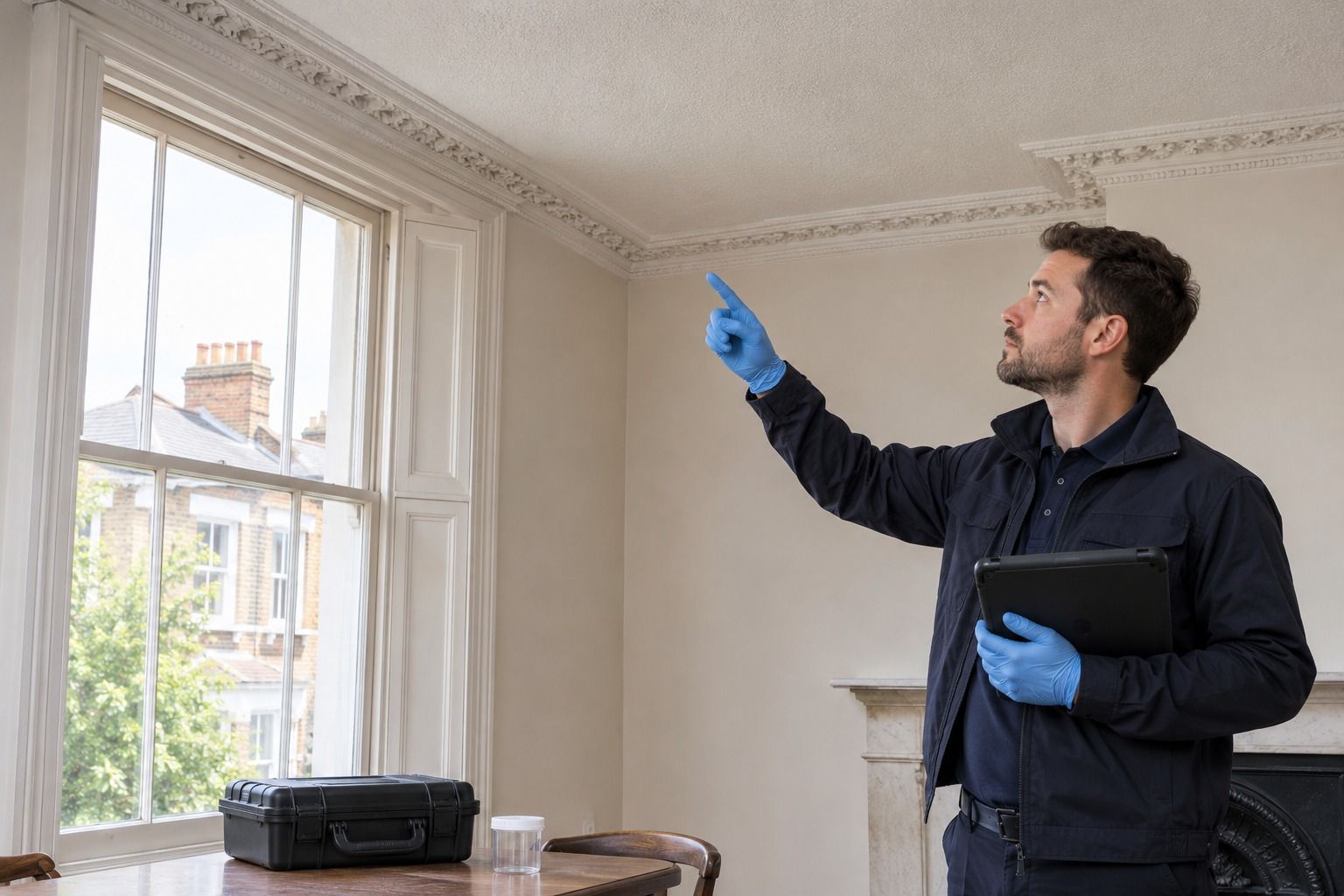
Leave it undisturbed and pause any work that could damage it. Do not drill, sand, break or remove it to find out what it is. If contractors are due to start, tell them about the suspected material before they begin.
Finding asbestos does not automatically mean it must be removed. Its condition, location and the work you intend to carry out all matter. A survey or test gives you evidence to decide what happens next. HSE advice on suspected asbestos.
247 Asbestos Services
Independent advice for your Victorian property
247 Asbestos Services provides asbestos surveys, professional sampling and clear written reports for homeowners. Our P402-qualified surveyors can help determine what needs to be checked, and samples requiring analysis are sent to a UKAS-accredited laboratory. We do not carry out asbestos removal.
Planning work on a Victorian house? Tell us the property location, what you intend to change and when work is due to start. We will advise whether testing a suspected material or an asbestos survey for your home is the appropriate next step.
Common questions
Frequently asked questions
Were Victorian houses built with asbestos?
The construction date alone cannot tell you whether asbestos is present today. Later repairs and alterations may have introduced asbestos-containing materials into a Victorian property. Check the parts of the house that have been changed, particularly before renovation.
Could an old Artex ceiling contain asbestos?
Some older textured coatings contain asbestos, but appearance alone cannot confirm it. If you plan to remove or disturb the coating, arrange appropriate advice and testing first. HSE: textured coatings.
Should I worry about an asbestos garage roof?
An older garage roof may be made from asbestos cement. Avoid disturbing a suspect roof and seek advice before repair, replacement or demolition. HSE lists asbestos cement roofs among possible asbestos locations in residential properties. See HSE's residential property diagram.
Can I renovate while asbestos remains elsewhere in the house?
Potentially. The key question is whether the planned work could disturb asbestos-containing materials in or near the work area. The survey scope should match the work being carried out; asbestos elsewhere may be managed in place if its condition and circumstances allow.
Guidance sources: HSE advice on asbestos in homes and HSE advice on choosing a survey.